


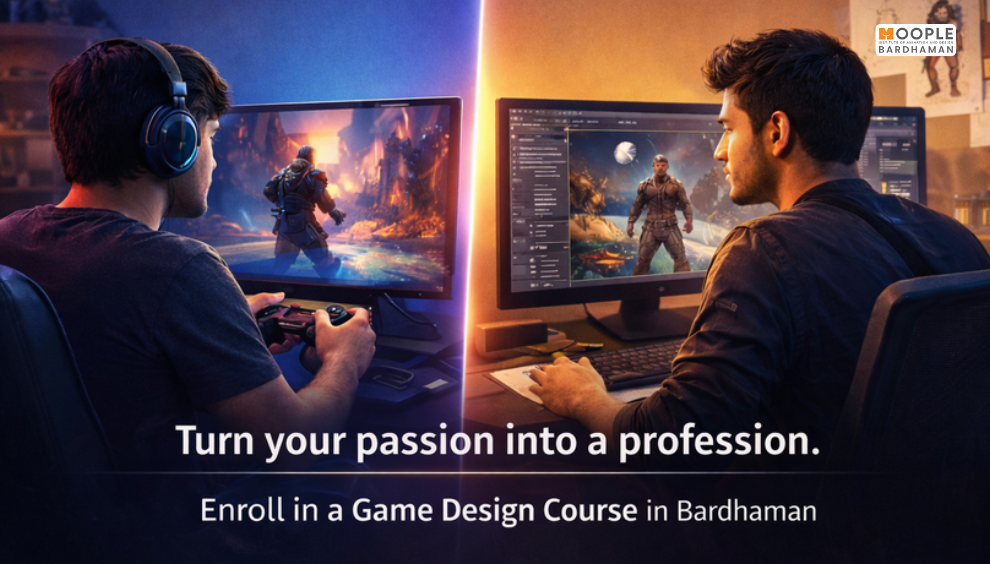
From Gamer to Creator: Enroll in a Game Design Course in Bardhaman
What if your favourite game was not just something you played, but something you created? Imagine designing thrilling characters, powerful worlds, and immersive stories that millions of players enjoy. In 2026, gaming is no longer only about entertainment; it is one of the fastest-growing creative industries in the world. If you have ever dreamed of turning your gaming passion into a professional career, a game design course in Bardhaman can be your gateway from player to creator.
The gaming industry today combines art, storytelling, technology, and imagination. From mobile games and console titles to virtual reality and e-sports, game designers are shaping how people interact with digital worlds. Learning game design allows you to move behind the screen and become the mind that builds the experience.
Why Game Design Is the Career of the Future
Game design is no longer limited to a niche market. It has expanded into education, advertising, simulations, training platforms, and interactive storytelling. As digital experiences continue to grow, so does the demand for skilled game designers who understand both creativity and technology.
A career in game design offers:
- High growth potential
- Creative satisfaction
- Opportunities in global markets
- Freelancing and remote work options
- Strong demand across industries
For creative students who love games, animation, and storytelling, this field is a perfect blend of fun and professionalism.
From Playing Games to Designing Them
Most gamers understand what makes a game exciting: engaging gameplay, strong characters, stunning visuals, and smooth mechanics. A game design course teaches you how to create all of these from scratch. You learn how to turn ideas into playable experiences.
Key skills covered in game design training include:
- Game concept development
- Character and environment design
- 2D and 3D asset creation
- Level design and gameplay mechanics
- User experience and interface design
- Game engines and basic coding logic
This structured learning transforms your passion into a practical, industry-ready skill set.
Learning in a Professional Creative Environment
Institutes like Moople Bardhaman provide a platform where creativity is guided by industry standards. Students receive mentorship from experienced professionals who understand the real requirements of the gaming industry. The focus is not just on theory but on project-based learning that mirrors professional studio workflows.
Another advantage of joining an animation and design institute in bardhaman is accessibility. You no longer need to move to big cities to get professional-level training. With modern infrastructure, updated software, and a creative learning environment, students can build world-class skills right from their hometown.
Why Choosing the Right Institute Matters
The quality of your training defines the quality of your future. The Best game design Training Institute in Bardhaman ensures that students receive:
- Practical, hands-on exposure
- Industry-relevant curriculum
- Portfolio development support
- Guidance on career paths and job roles
A strong institute shapes not only your technical abilities but also your professional mindset.
Build a Portfolio That Speaks for You
In game design, your portfolio is your strongest asset. It shows your creativity, originality, and problem-solving skills. A powerful portfolio may include:
- Game concepts and storyboards
- Character and environment designs
- Level design projects
- Small playable games
- UI/UX layouts
These projects help recruiters understand your potential and passion. A good portfolio can open doors to internships, studio jobs, and freelance projects.
Career Paths After Game Design Training
Once trained, you can explore various roles in the gaming and creative industries, such as:
- Game Designer
- Level Designer
- Character Designer
- Game Artist
- UI/UX Designer for games
- 3D Modeler
- Game Tester and Quality Analyst
You can work in game studios, animation houses, educational companies, advertising agencies, or even start your own indie game projects.
The Growing Scope of Gaming in 2026
Gaming is evolving rapidly with new technologies such as:
- Virtual Reality (VR)
- Augmented Reality (AR)
- Artificial Intelligence in gameplay
- Real-time rendering
- Cross-platform gaming
Learning game design in 2026 means preparing for a future that is deeply connected with digital innovation. Designers who understand modern tools and trends stay ahead in this competitive industry.
Why Bardhaman Is Becoming a Creative Hub
With professional training available locally, students now have the advantage of learning advanced creative skills without relocating. This saves time, reduces expenses, and allows learners to focus entirely on building their future. The city is slowly emerging as a center for animation, design, and digital education.
Conclusion
From gamer to creator, the journey is exciting, challenging, and full of possibilities. Game design is more than a career; it is a platform to express imagination, build digital worlds, and inspire players globally. With the right training, dedication, and creativity, you can transform your love for gaming into a profession that is both rewarding and future-ready.
If you have the passion to design stories, create characters, and build immersive experiences, game design is your chance to turn imagination into reality. Your future in gaming begins not with playing, but with creating.
FAQs
-
Who can enroll in a game design course?
Anyone who has a passion for gaming, creativity, and digital design can enroll. Students from any background (arts, science, or commerce) and even beginners with basic computer knowledge can start learning game design. -
Do I need programming skills to learn game design?
No, advanced programming is not mandatory at the beginning. You will first learn design concepts, visuals, and gameplay logic. Basic coding concepts are taught gradually to help you understand how games function. -
What software and tools are used in game design training?
Students are trained on industry-standard tools like Unity, Unreal Engine, Blender, Photoshop, and other 2D/3D design software used by professional game studios. -
What kind of career opportunities are available after completing the course?
After completion, you can work as a Game Designer, Level Designer, Game Artist, Character Designer, UI/UX Designer, or even start as a freelance creator or indie game developer. -
How important is a portfolio in game design?
A portfolio is extremely important. It showcases your creativity, skills, and understanding of game mechanics. A strong portfolio often matters more than certificates when applying for jobs or internships in the gaming industry.